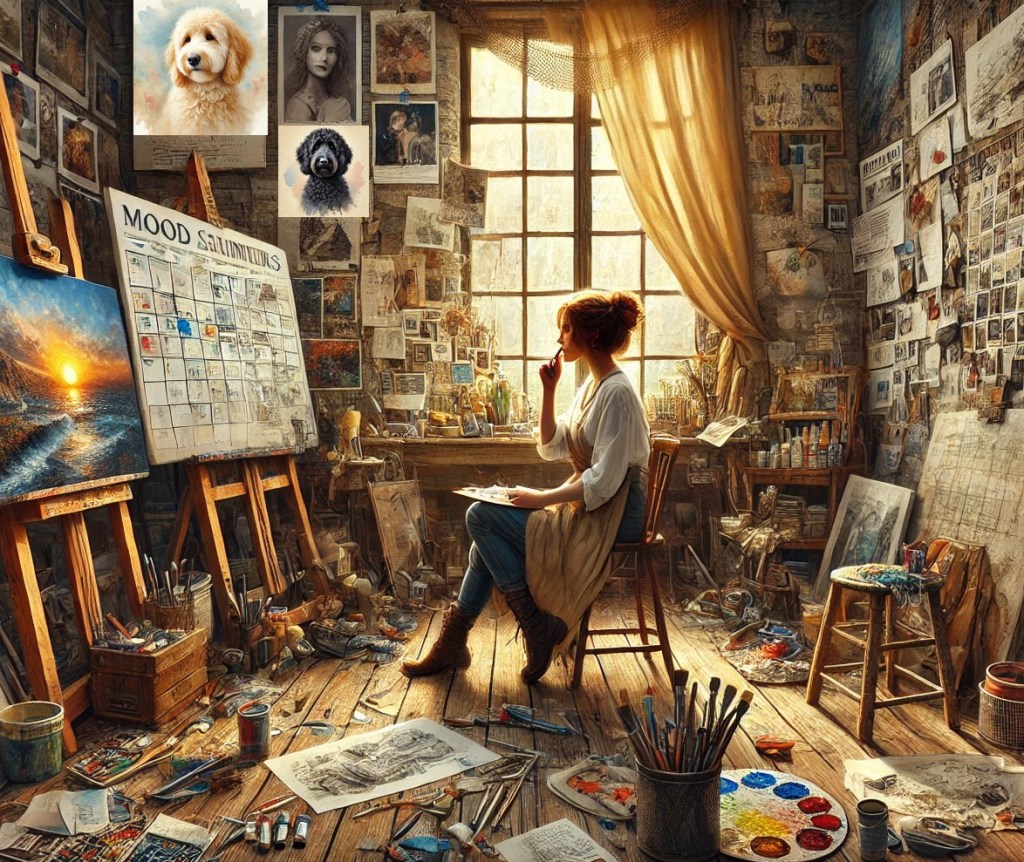
Creating a new art collection is an intricate journey, blending creativity, planning, logistics, and marketing. For an artist, this process goes beyond just producing captivating pieces; it’s about curating a cohesive narrative that connects with audiences. From the initial spark of inspiration to delivering finished works to collectors, every step demands a balance of passion and precision. This blog post delves into the complexities artists face while developing a new collection.
The Creative Concept: Where Inspiration Begins
The journey starts with an idea, but inspiration is rarely linear. It could be sparked by personal experiences, nature, societal issues, or a visual motif that refuses to leave the artist’s mind. For many, this stage involves immersing themselves in research—whether studying art history, exploring new techniques, or documenting daily observations.
Refining the Concept Once an idea takes root, the artist must refine it into a cohesive concept. This involves sketching, journaling, or creating mood boards to explore potential directions. A critical question emerges during this phase: What story am I telling? This narrative becomes the backbone of the collection, influencing every piece and uniting them under a shared theme.
Artists often seek feedback during this stage, sharing early sketches with trusted peers or mentors to gain fresh perspectives. However, staying true to one’s vision remains paramount, as external opinions can sometimes dilute originality.
Planning and Execution: Bringing Ideas to Life
With a clear concept in mind, the artist transitions into planning and execution. This phase requires both creative and organizational skills, balancing the vision for the artwork with the logistics of creating it.
Organizing Thoughts and Materials Before picking up a brush or tool, an artist needs to outline their approach. This involves decisions about scale, medium, and the number of pieces in the collection. Materials must be sourced, which can be a challenge if the artist is working with rare or unconventional supplies.
Some artists create detailed timelines to ensure consistency in style and progression, especially when balancing the demands of a collection with other commitments. A studio that supports productivity is also key, with organized spaces for materials, tools, and works-in-progress.
The Act of Creation The execution phase is where ideas become tangible. However, challenges often arise: a painting might not turn out as envisioned, or technical limitations may require rethinking a piece. This phase demands flexibility and resilience. Breakthroughs often come unexpectedly, but so do setbacks, and artists must navigate both with determination.
Finding the Perfect Venue: The Logistics of Exhibiting Art
Once the collection is complete, the focus shifts to sharing it with the world. Choosing the right venue is crucial—it sets the tone for the entire exhibition and influences the audience’s experience.
Selecting a Venue Factors like location, size, and the venue’s reputation play significant roles. Some artists opt for traditional galleries, while others explore alternative spaces like community centres or even virtual galleries. Each option has its pros and cons; a prestigious gallery may draw more attention, but an unconventional venue might offer greater creative freedom.
Delivery and Mounting Transporting artwork requires meticulous care. Fragile pieces need secure packaging, while oversized works may demand specialized equipment. Collaborating with professional art handlers is often necessary to avoid damage. The mounting process itself can be an art form, ensuring each piece is displayed at the right height, lighting, and spacing to maximize impact.
The Vernissage: Launching the Collection
A vernissage, or opening night, is more than just a party; it’s the artist’s opportunity to introduce their work to the world. This event often sets the tone for how the collection is received and can make or break its success.
Crafting the Experience Every detail of the vernissage matters, from the music and refreshments to the artist’s speech. The goal is to create an atmosphere that aligns with the collection’s theme. For instance, a collection inspired by nature might benefit from organic décor and soothing sounds, while an avant-garde series might call for dramatic lighting and bold music.
Engaging with Guests Artists must prepare to discuss their work, answering questions and sharing insights into their creative process. This interaction fosters a deeper connection between the audience and the artwork, potentially leading to sales or collaborations.
Marketing the Collection: Reaching a Wider Audience
While the vernissage introduces the collection locally, marketing ensures its reach extends far beyond. In today’s digital age, a strong online presence is indispensable.
Social Media Strategies Platforms like Instagram and TikTok allow artists to showcase their work to global audiences. Posting behind-the-scenes content, time-lapse videos, and artist statements can engage followers and build anticipation for the collection. Paid promotions and collaborations with influencers in the art world can also amplify visibility.
Website Presence An artist’s website acts as a portfolio and sales hub. High-quality images, detailed descriptions, and an easy-to-navigate layout are essential. Offering virtual tours or augmented reality previews of the collection can provide an immersive experience for online visitors.
The Final Step: Delivering Artwork to Collectors
The journey concludes with the sale and delivery of the artwork. Packaging and shipping art is an art form in itself, requiring materials that protect while reflecting the piece’s value. Many artists include personalized touches, like handwritten thank-you notes or certificates of authenticity, to make the experience memorable for collectors.
Ensuring timely delivery and offering excellent customer service can transform buyers into lifelong supporters, contributing to the artist’s reputation and future success.
Conclusion
Developing a new art collection is a multifaceted process that challenges an artist’s creativity, organization, and entrepreneurial skills. Each phase—from conceptualization to marketing—demands dedication and adaptability. By embracing these complexities, artists not only produce meaningful work but also forge lasting connections with audiences and collectors, ensuring their art continues to inspire long after the final piece is completed.

